Best Commercial Property in Gandhinagar — Offices, Retail & Showrooms

Best commercial property in Gandhinagar — offices, retail and showrooms by Shree Buildcon

The best commercial property in Gandhinagar is not the cheapest unit—it is the one that fits your use, sits on a corridor with genuine, observable demand, is delivered by a developer with a real track record, and passes legal and RERA diligence. This guide is a decision framework: decide whether you are an occupier or an investor, judge corridor demand on the ground rather than by an assumed rate, compute yield only from a real rent against your true all-in cost, and verify the developer and documents before you commit.

New to the topic? Start with our commercial spaces overview, then drill into commercial property in Sargasan and offices in Kudasan.

Last updated: July 2026 · Commercial real estate guide

By Shree Buildcon Editorial Team · Official sources & credentials

Explore projects · Book a site visit

Key takeaways

  • "Best" = fit: right use + genuine corridor demand + developer execution + clean legals—not the lowest price.
  • Pick your lens first: occupier (access, parking, frontage, fit-out) vs investor (yield, vacancy, exit).
  • Judge demand on the ground: peak-hour footfall, tenant mix and catchment beat an assumed rate.
  • Yield method: annual rent from a real signed/comparable lease ÷ true all-in cost, then net off vacancy & maintenance.
  • Developer track record decides common areas, parking, power and resale—verify completed projects.
  • Then diligence: title, approvals, fire NOC, declared use and RERA before you pay.

What "best" really means

"Best" is not a universal ranking—it is the unit that best fits your use and lens. A footfall retail brand, a professional office and a yield-seeking investor will each call a different unit "best". So rather than chasing the lowest headline rate, score every option against four things that actually decide outcomes: fit to use, genuine corridor demand, developer execution, and clean legals.

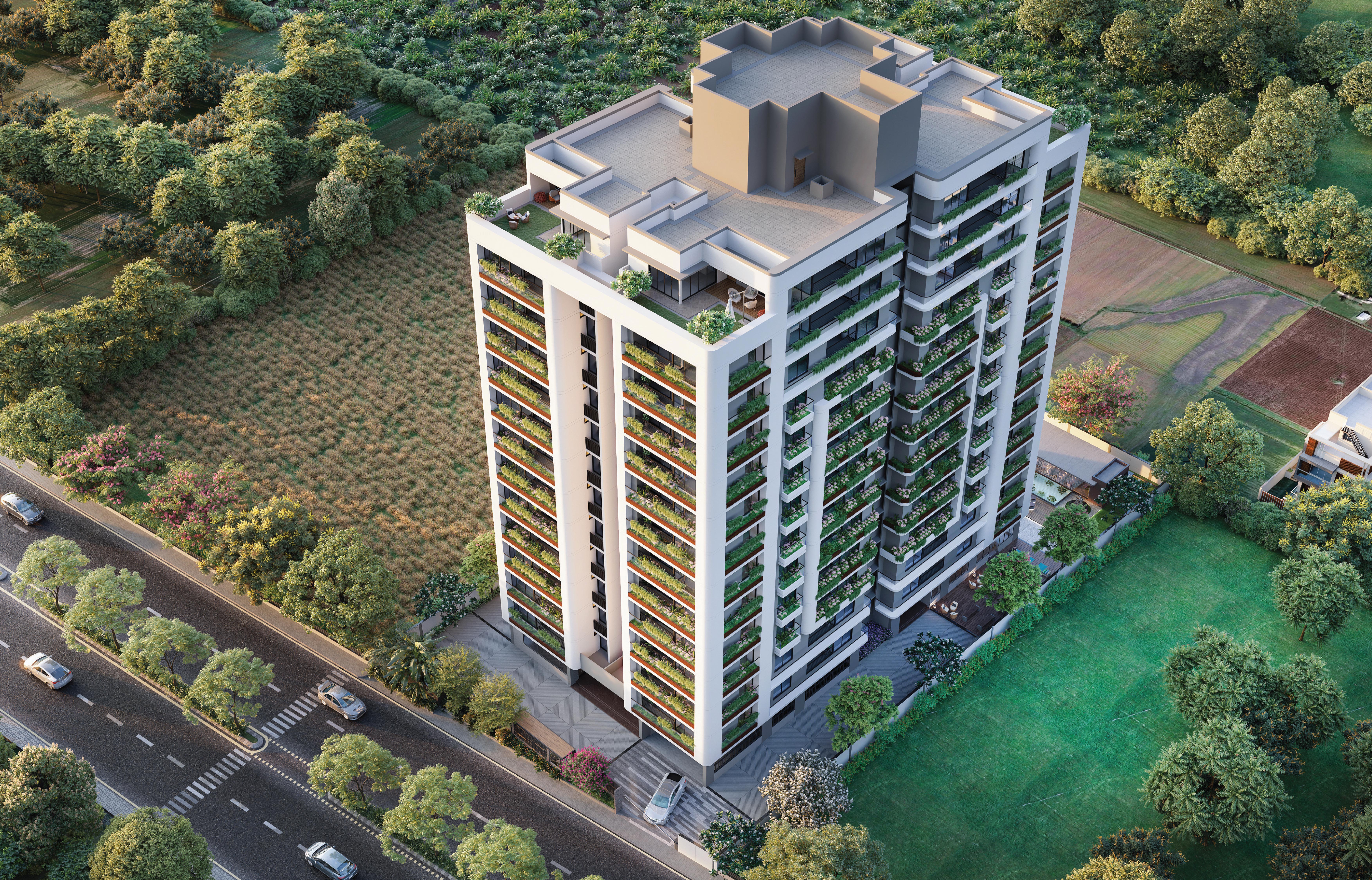
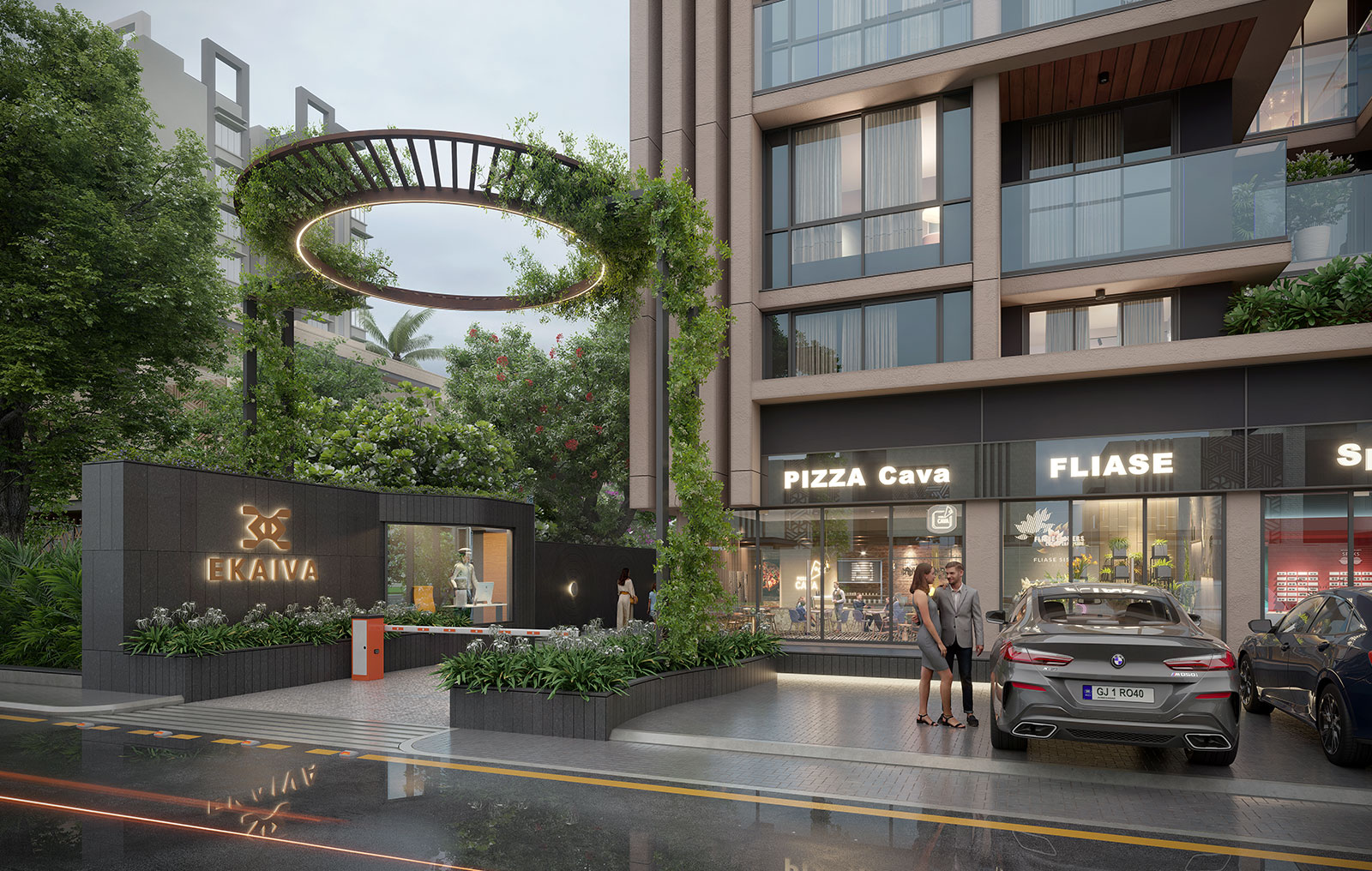
This guide walks through each in turn. If you first need the formats and area basics, read the commercial spaces overview; for belt-level detail see Sargasan and Kudasan. Shree Buildcon's mixed-use and high-street formats—centred on Ekaiva—are built for visibility and everyday operations.

Assessing footfall and corridor demand for commercial property in Gandhinagar
01

Judging corridor demand

  • Visit at peak hours on a weekday and a weekend—watch actual footfall, not brochures
  • Read the tenant mix: full, complementary units signal a working location
  • Map the catchment—employment hubs for offices, residential density for retail
  • Check how quickly comparable nearby units get occupied

Observed demand is more reliable than any assumed per-sq-ft rate.

Occupier versus investor decision lens for commercial property
02

Occupier vs investor lens

  • Occupier: optimise access, parking, frontage and fit-out flexibility for your business
  • Investor: treat it as a cash-flow asset—yield, vacancy risk and exit liquidity
  • Both: prefer clear title and a developer with delivered projects
  • Decide the lens before you shortlist; it changes which unit is "best"

The same corner shop is a different decision for each buyer.

Want current commercial availability across Gandhinagar's belts matched to your use, frontage, and budget? Share your brief—we'll shortlist the right units.

4 tests

Fit, demand, developer, legals—score every option.

2 lenses

Occupier or investor—decide before you shortlist.

Real rent

Yield from a signed/comparable lease, never an assumed rate.

How to evaluate the yield

For investors, "best" is ultimately a cash-flow question. Work it in this order, using real figures for your specific unit—never an assumed market rate:

A method, not a quote—fill each row with real, dated figures for the unit you are evaluating.
Step What to use Why it matters
1. True all-in cost Base price + stamp duty & registration (GARVI) + any GST + parking + maintenance corpus + fit-out Yield on base price alone overstates returns
2. Real annual rent A signed lease or a verified comparable for the same belt, floor and format Assumed rents are the most common error
3. Gross yield Annual rent ÷ true all-in cost The headline comparison number
4. Net view Deduct recurring maintenance, expected vacancy and any tax What you actually keep
5. Exit & liquidity How easily similar units resell; tenure (freehold/leasehold) Yield means little if you cannot exit

Drill into belts: Sargasan · Kudasan offices.

Pro insight: The "best" unit is findable twice—once on GPS and once from the street. Before comparing headline price, stress-test gross yield using your own realistic rent, CAM charges, fit-out and vacancy assumptions—not a rate someone quoted verbally. Then confirm title chain, fire-NOC pathway, declared commercial use and RERA registration before you pay anything.

Developer & compliance checks

  • Track record: completed projects, delivery timelines and how well older buildings are maintained.
  • Common areas & services: parking ratio, power backup, lift capacity, water and firefighting provisions.
  • RERA: verify the project and promoter on the GujRERA portal.
  • Legal: clear, marketable title, development permissions, fire NOC pathway and declared commercial use.
  • Costs on paper: a written cost sheet with every head, and RERA carpet area (not just saleable).

This is general information, not legal advice—have your own advocate review the documents.

Red flags to slow you down

  • Rate, rent or "guaranteed return" promised verbally, never in writing.
  • No itemised cost sheet, or carpet vs saleable area left vague.
  • Missing, pending or lapsed RERA registration for the project.
  • Ambiguous title, usage rights or signage permissions.
  • Weak or shared parking that will quietly cap footfall.
  • Pressure to pay a token "today" to lock a price.

Decision checklist

  • Lens set: occupier or investor decided before shortlisting.
  • Fit: format, floor, frontage, parking and signage match the use.
  • Demand: footfall/tenant mix verified on the ground at peak hours.
  • Numbers: yield modelled from a real rent against true all-in cost.
  • Developer: completed projects and maintenance record checked.
  • Legals: title, approvals, fire NOC, declared use and RERA confirmed in writing.

Share your use case—our team maps you to inventory across Ekaiva, Page 22, Royal Riveria 2, and more.

Frequently asked questions

What makes a commercial property "the best" for me?

The best unit is the one that fits your specific use, sits on a corridor with genuine demand, and clears legal and RERA diligence—not simply the cheapest or largest. Define your use and lens (occupier or investor) first, then judge each option against that, because a great retail shop and a great office are rarely the same unit.


How do I judge whether a location has real commercial demand?

Visit at peak hours on both a weekday and a weekend, observe actual footfall and traffic, check the surrounding tenant mix and the employment or residential catchment that feeds it, and look at how full comparable nearby units are. Real, observed demand is more reliable than an assumed per-square-foot rate.


Should I buy for self-use or as an investment?

Self-use buyers should optimise for access, parking, frontage and fit-out flexibility for their business. Investors should treat it as a cash-flow asset: model yield from a real signed or comparable rent, stress-test vacancy and maintenance, and consider resale liquidity. In both cases prefer clear title and a developer with delivered projects.


How do I calculate rental yield properly?

Use gross yield = annual rent ÷ true all-in cost (base price plus stamp duty, registration, any GST, parking, maintenance corpus and fit-out), then deduct recurring maintenance and expected vacancy for a net view. Use an actual signed or verified comparable rent for the same belt and floor—never an assumed rate—so the number is real.


How important is the developer's track record?

Very important for commercial, where common areas, parking, power and lift capacity, and timely completion make or break daily operations and resale. Review the developer's completed projects, delivery timelines and how well older buildings are maintained before you compare price.


What legal and RERA checks matter most?

Verify the project and promoter on the GujRERA portal, confirm the unit's declared commercial use and zoning, check for a clear, marketable title and all development permissions, and confirm the fire-NOC pathway. Have your own advocate review the documents; this is general information, not legal advice.


What are the red flags in a commercial deal?

Watch for verbal-only rate and rent promises, no written cost sheet, unclear carpet vs saleable area, missing or lapsed RERA registration, ambiguous title or usage rights, weak parking, and pressure to pay a token the same day. Slow down and get everything material in writing before paying.


How do I get current availability or book a visit with Shree Buildcon?

Share whether you need retail, office or mixed-use space, plus your preferred belt, carpet-size range and budget, via the enquiry form or on +91 98257 00500, and we will map you to matching inventory and confirm current, unit-specific figures before your visit.

Author & Sources

Written by Shree Buildcon Editorial Team — commercial real estate guides grounded in on-ground leasing and sales experience across Gandhinagar's commercial belts, RERA-aligned project documentation, and recurring business-buyer questions—not syndicated market copy. About Shree Buildcon · Contact · +91 98257 00500.

Sources & verification: Gujarat RERA · Gujarat Government · GIFT City · GARVI (stamp duty & registration). This guide is a decision framework and does not quote prices, rents or yields—confirm current, unit-specific figures, carpet area and RERA on site before you commit.