Frequently asked questions
Which option can attract GST – ready, under-construction or resale?
Under current tax practice, an under-construction property bought directly from a promoter before completion is generally treated as a supply of construction service and can attract GST, while a ready-to-move property sold after a completion or occupancy certificate, and a resale property, are generally treated differently under GST rules. Rates and rules can change, so confirm the current position with a chartered accountant before you rely on any figure, including anything published on this page.
What can I physically inspect before buying in each option?
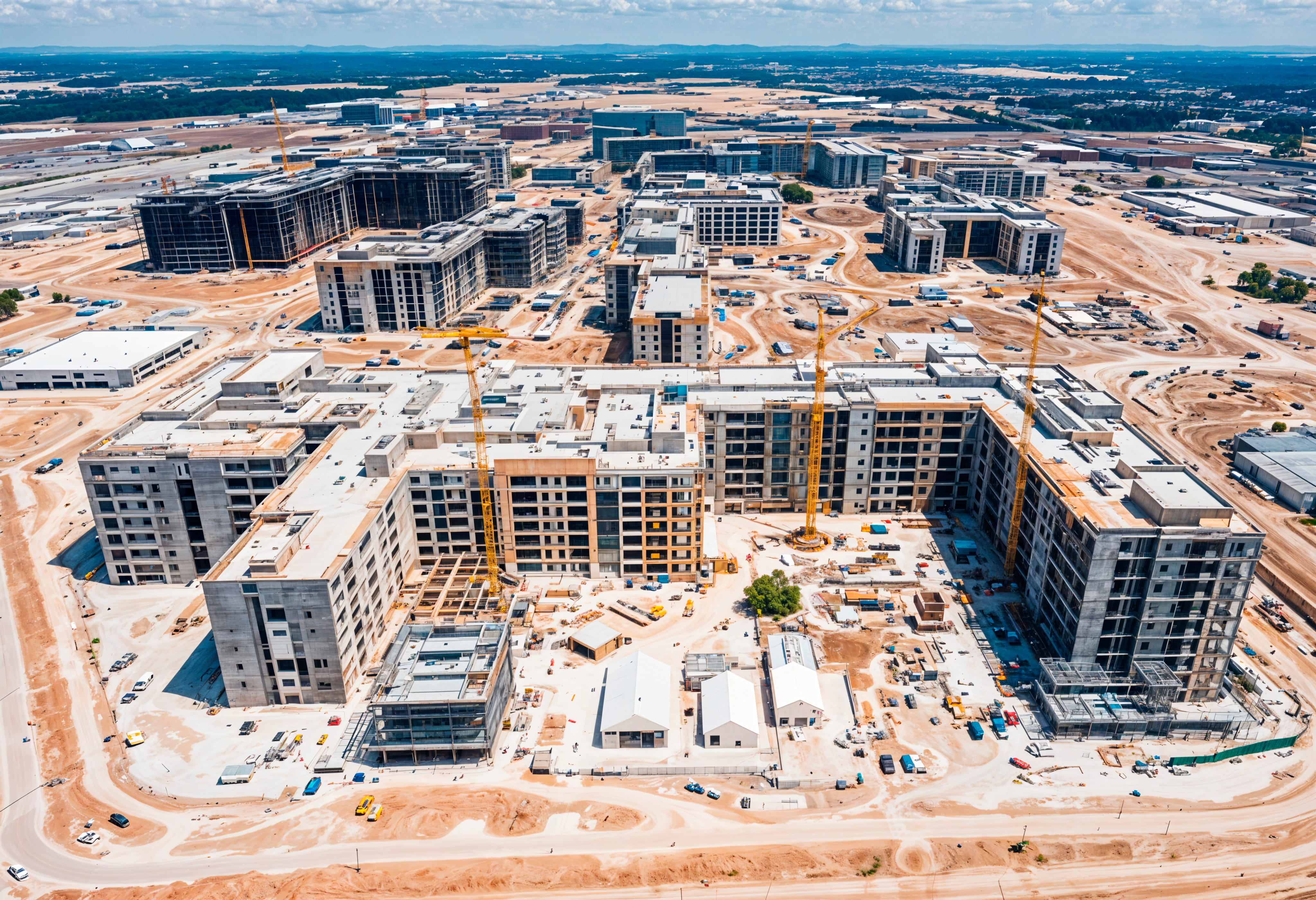
A ready-to-move or resale unit lets you inspect the actual flat, common areas, lifts and society upkeep in person. An under-construction unit usually offers a sample flat plus visible structural progress on your specific tower; the exact unit you will receive does not exist yet, so treat finishes and views as indicative until closer to possession.
How does loan disbursement differ between ready, under-construction and resale?
Ready and resale purchases are typically financed with a larger disbursement close to registration, once the bank completes its valuation and title checks. Under-construction purchases are usually financed through construction-linked disbursement, where the bank releases funds in tranches tied to verified construction milestones rather than in one instalment.
Which option fits a fixed move-in date?
Ready-to-move and resale options fit a fixed move-in date better because possession can happen close to your purchase timeline, subject to normal registration and handover steps. Under-construction possession depends on the project's remaining construction and approval timeline, which can shift; do not commit to a fixed move date based on a marketing timeline alone.
Is under-construction always cheaper than ready-to-move?
Not always. Under-construction pricing can be lower at early stages, but the comparison only holds once you account for the total cash outflow, applicable tax treatment, holding costs like rent during construction, and the time value of staged payments. Compare net cost for the same carpet area and specification, not headline price per square foot alone.
What documents are unique to a resale purchase?
A resale purchase typically needs a chain-of-title check across previous transfers, an encumbrance certificate, society no-objection and share-transfer records, proof that any existing home loan on the property has been closed or will be closed at registration, and copies of past tax and maintenance payment records. Have an independent lawyer verify this chain before you pay any amount.
Does possession risk disappear with ready-to-move flats?
Possession-timeline risk is largely removed, but it does not remove all risk. You should still verify the completion or occupancy certificate, confirm no pending litigation or society dues, and inspect the unit and common areas before registration.
Can I negotiate price more on resale than under-construction?
Resale pricing is often more negotiable because it depends on an individual seller's circumstances, while under-construction pricing is usually set by the promoter's price list with limited flexibility. Negotiation room varies case by case in both situations and should never substitute for due diligence.
Should I always prefer ready-to-move for lower risk?
Not necessarily. Ready-to-move reduces execution-timeline risk, but under-construction can offer staged payments that suit your cash flow, and resale can offer a verified maintenance history. Match the option to your priorities using the decision matrix above rather than defaulting to one stage for every buyer.
Where can I compare Ariva's registered project timeline before deciding?
Review Ariva's verified project details and registered timeline, then compare it against your own move-in date and cash-flow plan using the frameworks on this page before making a project-stage decision.