Monsoon Flat Inspection Checklist: 40 Checks for Gandhinagar

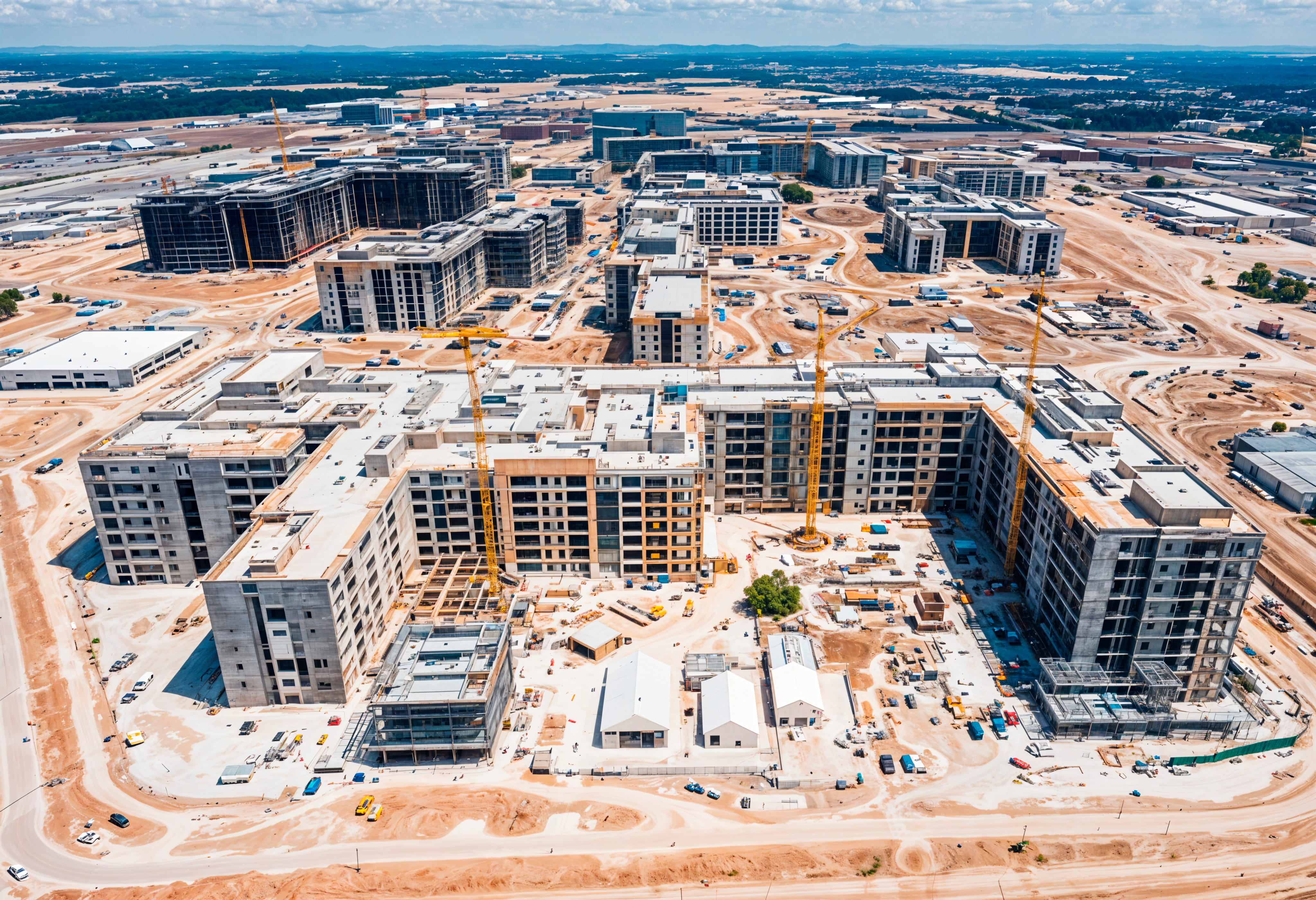
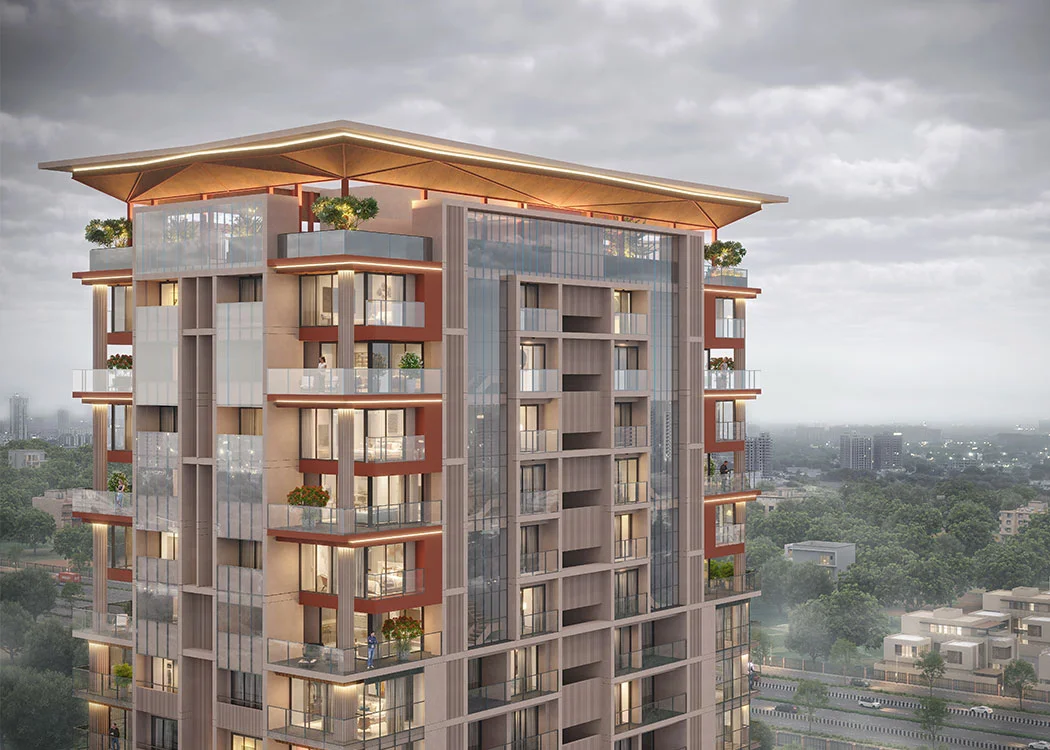
Homebuyer inspecting a modern apartment during monsoon rain in Gandhinagar

Visiting a flat during monsoon? Gujarat recorded an 82% June rainfall deficit in 2026 (IMD data via Times of India), so the first heavy spell is when drainage and sealing show their true character. Use this 40-point monsoon flat inspection checklist for Gandhinagar to review approach roads, basements, windows, balconies, wet areas and project documents before you book.

This is not a waterproofing certificate. It is an evidence-led field guide: photograph each concern, ask for the probable source, and get material responses in writing. Pair the rainy-day visit with official GujRERA verification, your agreement review and independent professional advice where needed.

Whether you are comparing under-construction 3 BHK projects in Sargasan or a ready flat near Kudasan, the same discipline applies. Rain reveals what brochures cannot.

Key takeaways

  • 40 checks from site access and stormwater routes to interiors, documents and written closure.
  • 4 statuses — mark Pass, Watch, Fail or N/A for each item; your progress saves in-browser.
  • Gujarat context — delayed 2026 monsoon makes the first sustained rain a high-signal inspection window.
  • Written proof — link every material concern to a photo, probable source and dated response.
  • One visit is not a certificate — treat rainy-day evidence alongside RERA, plans and professional review.

40

Practical inspection checks.

4

Status options per item.

PDF

Printable field sheet included.

18

Conversational FAQs with schema.

Quick answer

A monsoon site visit shows how a flat and its surroundings handle rain on that particular day. According to IMD-tracked data reported in June 2026, Gujarat received only 20.5 mm against a normal 110.8 mm for the month — so when the skies finally open, standing water, damp smells and blocked outlets become easier to spot than on a dry afternoon.

Check the approach road, site drainage, parking ramp, common passages, windows, balconies, walls, ceilings and wet areas. Photograph each concern, ask for its probable source and proposed remedy, and request a reinspection date in writing.

One visit cannot prove that a home will always remain free from dampness or leakage. Treat it as one evidence-gathering step alongside project documents, official GujRERA verification and independent professional advice where needed.

Why inspect a flat during monsoon?

A dry-weather visit is useful for comparing layouts, room sizes and amenities. Rain adds another layer of evidence. It may reveal water collecting near entrances, blocked drains, staining around openings, damp smells, unfinished sealing or difficult access during wet conditions. For buyers evaluating 3 BHK flats in Gandhinagar, that extra signal often matters more than a showroom walk-through.

It can also show positive signs: clear rainwater routes, dry basement thresholds after a spell, and well-kept common areas. Still, avoid turning a single observation into a lifetime performance guarantee. A dry wall on one visit is not a waterproofing certificate, just as a stain does not identify its source without investigation.

Gujarat's 2026 monsoon arrived late. By early July, the state had logged only about 3.87% of its seasonal rainfall average (SEOC data via DeshGujarat). When the first sustained spell hits corridors like Sargasan, Kudasan and Randesan, projects that drain well tend to stand out quickly. Projects that do not become obvious just as fast.

For an under-development project, temporary site conditions may differ from the completed building. Ask which work is temporary, what forms part of the final approved design and when each drainage, sealing or finishing activity can be inspected in its completed state. Our construction-stage buyer guide covers milestone questions that pair well with this checklist.

What rain actually tests

Monsoon inspection is less about catching a dramatic flood and more about reading patterns. Wind-driven rain tests window tracks and facade joints. Short intense bursts test balcony outlets and podium drains. Sustained drizzle tests whether surface levels send water away from entrances. Each pattern leaves different clues, which is why two visits — one after a heavy spell and one after lighter rain — can be more informative than a single sunny afternoon.

Local insights: Gandhinagar and Gujarat monsoon realities

Gandhinagar sits in a semi-arid belt where most annual rain arrives in a compressed monsoon window. That concentration matters for flat buyers. A project that handles the first July downpour well has usually thought about slopes, outlets and basement controls. One that pools water at the gate may struggle all season unless the underlying issue is fixed.

The city's growth corridors — Sargasan, Kudasan, Randesan, Raysan and pockets along the SG Highway — mix newer high-rise stock with evolving road and stormwater infrastructure. Micro-location still counts. A tower on slightly higher ground may behave differently from a lower pocket on the same road during the same spell.

Sargasan & Palm Road belt

Dense residential growth means more hard surfaces and more runoff in a short window. Check whether surface water moves toward designed drains rather than pooling at vehicle ramps and pedestrian entries. Compare with our Sargasan vs Kudasan corridor guide.

Basement parking culture

Multi-storey projects across Gujarat commonly use basement parking with sump pumps and backup power. Ask how systems are tested, who maintains them post-handover, and whether ramp thresholds are designed to intercept runoff before it enters the deck.

Heat, then humidity

Ahmedabad and Gandhinagar often swing from dry heat to humid spells when rain arrives. Musty cupboards and closed bedrooms can reveal slow moisture even when ceilings look dry. Open stored areas during your visit if permitted.

Wind-driven upper floors

Upper-storey windows and balcony doors face more exposure during crosswinds. Tracks, sill slopes and external sealant lines deserve extra attention above the fifth floor, especially on west- and south-facing units.

Soil and foundation context

Parts of Gujarat have expansive black cotton soil that moves with moisture cycles. You cannot diagnose geotechnical performance on a walk-through, but recurring cracks at similar locations across units may justify professional review.

Municipal drain dependency

Even a well-built society depends on external stormwater routes. Ask whether known road-level bottlenecks affect the approach during peak rain and how the project intercepts water before it reaches the basement ramp.

Gandhinagar-specific inspection priorities

When you apply the checklist locally, weight these areas slightly higher than you might in a high-rainfall hill city:

  • Basement ramp and trench drains — among the most common buyer pain points in Gujarat towers when pumps or levels are mis-specified.
  • Balcony outlet clarity — many layouts use inset balconies; a blocked outlet shows up within one spell.
  • Common podium and clubhouse decks — shared amenities in gated community projects should drain without water crossing into lift lobbies.
  • Window track drainage holes — often overlooked in dry-season visits; critical before the humid phase sets in.
  • Written pump and STP maintenance — post-possession society costs rise when drainage assets are underspecified.
Local buyer habit that works. Serious Gandhinagar buyers often schedule one visit after a heavy spell and a second after lighter rain, comparing photos from the same spots. The checklist progress tracker on this page helps you log both passes without losing observations.

Prepare for a safe, useful visit

Visit in daylight and only when the project team permits safe access. Do not enter restricted floors, climb scaffolding, touch wet electrical equipment or access roofs, lift pits, sumps, pump rooms or service shafts. Carry a charged phone, torch, advertised layout, project details and the downloadable checklist.

What to carry

  • Printed or mobile PDF checklist — same 40 items as this page, with space for Pass/Watch/Fail notes.
  • Unit layout and block plan — confirm orientation; a north-facing bedroom behaves differently from a west-facing balcony in afternoon squalls.
  • RERA registration note — match project name and phase before you invest time on site.
  • Power bank and waterproof pouch — you will photograph more in rain than on a dry tour.
  • Second pair of eyes — one person reads the checklist while the other traces water paths.

Who should join the visit

Bring whoever will live in the flat, plus anyone comfortable asking technical follow-up questions. A family member who notices damp smells in closed rooms is as valuable as someone who checks window tracks. If you plan interior work later, a fit-out contractor on a second pass (with permission) can flag service-shaft risks early.

Safety comes before inspection. Severe weather, slippery surfaces, open work zones and electrical equipment can make a site unsafe. If access is not clearly permitted, ask the authorised project or engineering team to inspect the area and provide records instead.

Monsoon visit vs dry-season visit: what each reveals

Smart buyers use both. A dry visit answers lifestyle questions — light, ventilation, noise, commute. A monsoon visit answers performance questions — drainage, sealing, damp behaviour and whether common areas stay usable when families actually need them.

Inspection focus Dry-season visit Monsoon visit
Site drainage Hard to judge; puddles may be absent even on poorly graded plots. Standing water, flow direction and blocked inlets become visible after rain.
Basement & parking Often looks clean; prior seepage may be painted over. Active drips, pump noise, damp odour and ramp pooling show up under load.
Windows & balconies Operation and views are easy to assess. Track drainage, sill marks, threshold slopes and wind-driven ingress appear.
Interiors Finishes, layout and storage feel clear. Ceiling stains, musty cupboards and swollen skirting signal moisture paths.
Common amenities Clubhouse and podium look presentation-ready. Real usability — can children cross the podium safely without flooded patches?
Evidence quality Good for comparing carpet, pricing and location. Good for documenting risk items with dated photos and written follow-up.

How to score findings: Pass, Watch, Fail

Status Meaning Typical action
Pass Area behaved as expected in current rain conditions; no material concern. Note it anyway — a pass log helps compare units and revisit dates.
Watch Minor staining, slow drainage or incomplete work that may resolve after finishing. Photograph, ask for source and proposed fix; schedule reinspection before booking.
Fail Active ingress, unsafe pooling, electrical proximity to water or recurring unresolved issues. Written response required; pause booking until closure is verified independently.
N/A Area restricted, incomplete or not part of the unit being sold. Record why it was skipped; request equivalent evidence from the project team.

Do not treat Watch as a free pass. In Gandhinagar's short monsoon window, unresolved Watch items often become Fail items if the root cause is structural or if pumps and drains are undersized for the catchment area.

The 40-point monsoon flat inspection checklist

Tick each item as you review it on site. Mark Pass, Watch, Fail or N/A to mirror the printable PDF. Your progress saves automatically in this browser.

Your inspection progress 0 of 40 checks reviewed on this device.
0 reviewed 0 pass 0 watch 0 fail
  1. 1Choose safe timing. Visit in daylight during or soon after rain only when travel and site access are safe.
  2. 2Confirm permitted areas. Ask which areas are complete, in progress, restricted or safe for visitors.
  3. 3Carry reference documents. Bring the advertised layout, project details, a charged phone, torch and checklist.
  4. 4Verify project identity. Match the project name, promoter and RERA registration with the official record.
  5. 5Record conditions. Note the date, time, weather and whether rain was active or recent.
  6. 6Identify the exact unit. Confirm the block, floor, orientation and position being shown.
  7. 7Separate temporary work. Ask which drains, windows, joints or finishes are incomplete.
  8. 8Keep it non-invasive. Do not open covers, scrape finishes or operate construction equipment.
  9. 9Create a photo sequence. Start with a wide view, then take a close-up and record the location.
  10. 10Start an issue log. Give every concern a photo number, location, observation and contact person.
  1. 11Observe the approach road. Note standing water or unsafe pedestrian and vehicle access.
  2. 12Watch the site entrance. Check whether surface water flows toward or away from it.
  3. 13Ask about final levels. Understand how completed roads, landscaping and ground levels will drain.
  4. 14Trace stormwater routes. Look for visible drains and inlets blocked by debris.
  5. 15Find persistent low points. Note broad puddles near entrances, paths, play areas or open spaces.
  6. 16Inspect rainwater pipes visually. Look for overflow, damage, disconnection or incomplete joints.
  7. 17Scan external walls. Note fresh staining, peeling, patching or repeated damp marks.
  8. 18Check vulnerable junctions. Observe window edges, facade joints, pipe penetrations and balcony slab edges.
  9. 19Follow balcony discharge. Check whether outlets and drains have a clear route away from the building.
  10. 20Use authorised roof evidence. Request terrace inspection records instead of entering an unsafe roof.
  1. 21Check parking access. Look at ramps, thresholds and low points for visible water accumulation.
  2. 22Find the collection point. Look for a trench drain or similar control at the basement ramp, where applicable.
  3. 23Ask about pump systems. Request information on sumps, pumps, backup power, testing and maintenance responsibility.
  4. 24Inspect basement surfaces. Note active dripping, stains, efflorescence or repeated patches.
  5. 25Keep electrical checks visual. Report water near panels, conduits or switches without touching equipment.
  6. 26Ask about lift-pit controls. Never enter a lift pit or restricted service space.
  7. 27Inspect shared circulation. Check lobbies, stair landings and passages for damp smells or marks.
  8. 28Keep exits usable. Confirm permitted fire-exit routes are unobstructed and safe enough to use.
  9. 29Observe service shafts. Ask about stains, drips or odour around plumbing and rainwater lines.
  10. 30Review podiums and decks. Look for clear drains, safe surfaces and visible joint problems.
  1. 31Scan ceilings and corners. Look for discolouration, peeling, swelling or patches on external-wall junctions.
  2. 32Notice persistent mustiness. Check closed rooms and cupboards even when surfaces appear dry.
  3. 33Inspect window details. Check tracks, drainage openings, sills, frame joints and sealant.
  4. 34Operate permitted openings. Note stiffness, gaps or water marks around windows and balcony doors.
  5. 35Review the balcony. Observe thresholds, slope, outlet, slab edges and the ceiling below.
  6. 36Inspect wet areas. Check bathroom and kitchen ceilings, shafts, joints, sinks, traps and cabinetry.
  7. 37Check low-level finishes. Look at skirting, door frames, wardrobes and low walls for swelling or staining.
  8. 38Request supporting records. Ask for relevant specifications, approved plans, inspection records and written responses.
  9. 39Define the closure. For each concern, record the probable source, proposed action, owner and reinspection date.
  10. 40Revisit before relying on the answer. Inspect rectified areas and obtain independent advice for material concerns.

How should you interpret what you find?

A visible symptom does not always reveal its source. A ceiling stain might relate to rainwater, plumbing, condensation or an earlier issue that has already been repaired. Water in a window track could reflect a blocked outlet, unfinished work or exposure during construction. The goal is not to become an engineer on a Sunday visit. The goal is to ask better questions and leave with traceable evidence.

Ask four questions about every material concern: What is the probable source? Is the surrounding work complete? What corrective action is proposed? When can the area be inspected again?

Symptom-to-source cheat sheet

What you see Possible sources (verify, do not assume) What to request
Ceiling stain near exterior wall Facade seepage, window head, balcony slab edge, prior plumbing leak. Source diagnosis, repair method, reinspection date, photos of opened area if repaired.
Water in window track Blocked drainage hole, missing sill slope, incomplete sealant, driving rain. Track cleaning proof, sealant spec, water test record after completion.
Basement damp odour Seepage, condensation, pump cycling issue, incomplete waterproofing. Pump log, maintenance plan, warranty terms, third-party test if persistent.
Balcony ponding Insufficient slope, blocked outlet, grout failure at door threshold. As-built slope confirmation, outlet clearance photo, threshold detail drawing.
Musty cupboard Slow seepage, poor ventilation, HVAC imbalance, prior leak not dried. Moisture source report, ventilation plan, revisit after 48 hours dry weather.
A repaired patch is not automatically a reason to reject a home. The important questions are whether the source was identified, whether the response is documented and whether the closure can be checked. For recurring dampness, cracking, drainage or service concerns, engage a suitably qualified independent professional.

10 common mistakes Gandhinagar buyers make during monsoon visits

Most booking regrets we hear are not about missing a single stain. They come from process gaps: visiting at the wrong time, looking at the wrong unit, or accepting verbal reassurance when rain has already told a different story. Avoid these patterns and your checklist becomes far more useful.

1

Scheduling only on sunny days

A dry afternoon flatters drainage. If your calendar allows only one visit, pick the day after meaningful rain — not the clearest sky of the month.

2

Trusting fresh paint

New coats hide old stains temporarily. Ask whether the surface was repaired or only repainted, and request photos from before the touch-up.

3

Skipping common areas

Your flat may be fine while the podium pools water outside the lift lobby. Shared drainage failures become society headaches after possession.

4

Ignoring the basement ramp

In Gujarat towers, ramp behaviour is a leading indicator. If water crosses the threshold during a moderate spell, escalate before you book.

5

No written follow-up

Verbal promises fade. Every Watch or Fail item needs location, photo ID, owner and reinspection date in writing.

6

Comparing unlike units

A top-floor show flat and your actual mid-floor unit face different exposure. Inspect the specific block, floor and orientation you plan to buy.

7

Assuming one storm is enough

A short shower tests outlets; a longer spell tests soil saturation and pump endurance. Two visits beat one when timing allows.

8

Skipping RERA verification first

Confirm project identity on GujRERA before emotional attachment sets in. Inspection time is expensive; spend it on verified projects.

9

Entering unsafe zones

Roofs, lift pits and live pump rooms are not visitor areas. Ask for authorised inspection records instead of risky shortcuts.

10

Treating Pass as forever

Even a clean monsoon visit is a snapshot. Keep your photo log with agreement papers in case post-possession issues need context.

Correcting these habits costs nothing except discipline. The downloadable PDF mirrors the same logic with tick boxes so you do not rely on memory in wet shoes.

Under-construction and ready-flat inspections are different

Inspection area Under-development project Ready or completed flat
Drainage Ask which levels, drains and outlets are temporary and when final systems can be inspected. Observe finished routes, outlets, low points and maintenance condition.
Windows and balconies Separate incomplete sealant, uninstalled components and temporary protection from final work. Check operation, joints, tracks, thresholds, slopes and visible water marks.
Basement & services Request pump specifications, commissioning plan and who tests before handover. Verify pump logs, odour, stains and whether backup power actually runs pumps.
Evidence Request approved plans, specifications, work sequence, inspection process and milestone dates. Request completed inspection records, written rectification responses and reinspection access.
Booking timing Consider staged payments; revisit after façade, terrace and wet-area waterproofing milestones. Inspect before token or balance payment; negotiate closures for open Watch items.

Do not assume that a temporary site condition will remain after completion, but do not assume it will disappear either. Record it and return when the relevant work is complete.

Documents to verify alongside the visit

A monsoon inspection works best as part of a broader buyer review. The official RERA record should be your starting point for project identity and disclosed information, while the applicable plans and agreement should be reviewed independently before a booking decision. Use this alongside guides like floor plan due diligence and resale-value factors so you are not over-weighting a single rainy afternoon.

Document checklist beyond the site visit

Project identity

Project name, promoter, registration number, validity and declared project timeline.

Plans and specifications

Applicable layout, unit position, area terminology, finishes and common-area provisions.

Commercial documents

Agreement for Sale, approved quotation, payment schedule and included or excluded charges.

Inspection closure

Issue log, dated photographs, written response, responsible owner and reinspection record.

Waterproofing & service specs

Terrace, bathroom, balcony and basement waterproofing system descriptions; pump and STP O&M outline where applicable.

Builder track record

Delivery history on completed phases in Gandhinagar or Gujarat; speak to residents where lawful and practical.

Store scans in the same folder as your photo log. When you revisit after repairs, match photo numbers to new shots from the identical angle. That discipline is what turns a checklist into a negotiation-ready file.

Use the checklist in context

Plan an evidence-led Ariva site visit

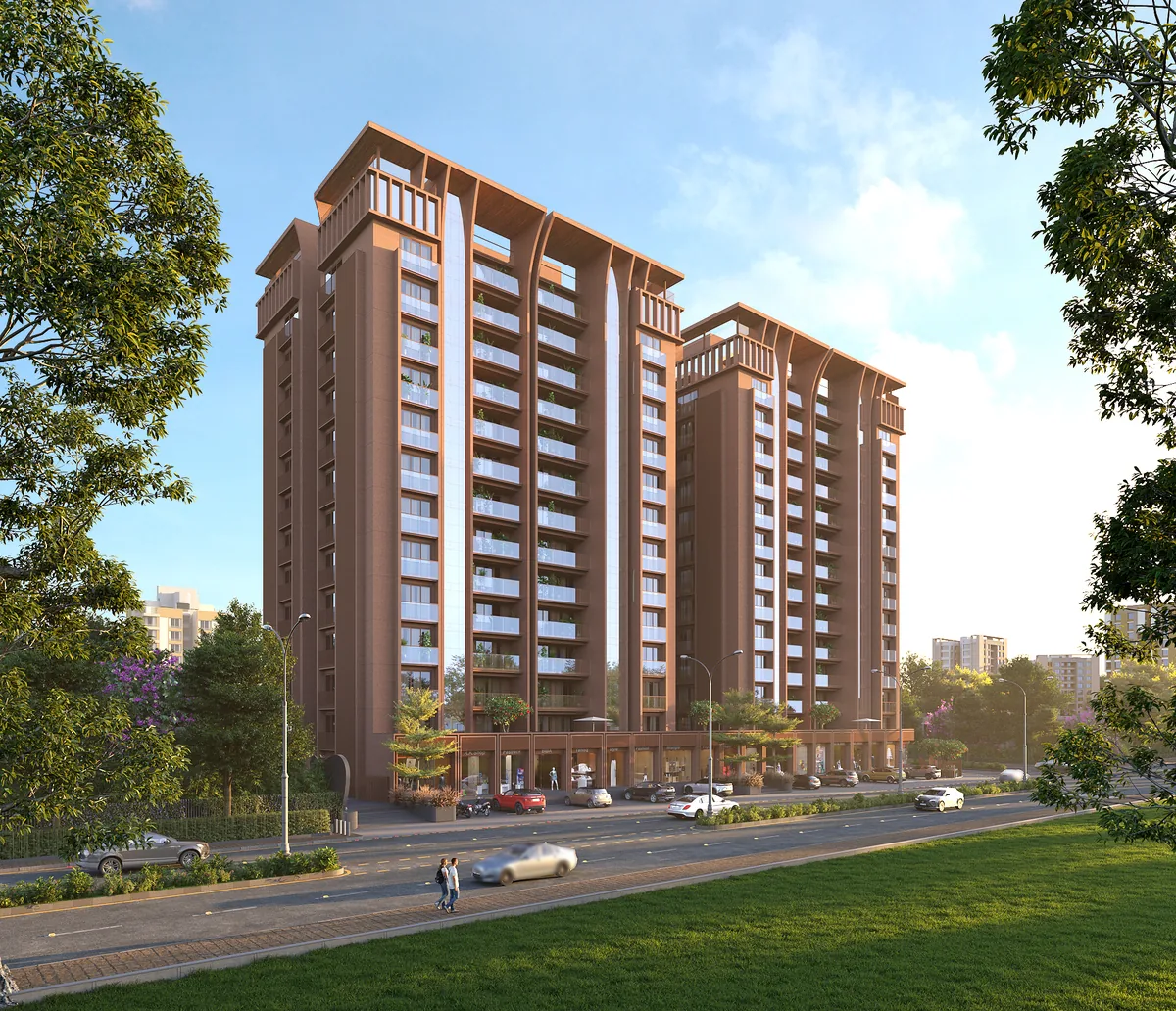
Ariva is on Palm Road in Sargasan, Gandhinagar. The currently published project information describes a mixed development with 102 three-bedroom homes and 21 ground-floor shops. During a guided visit, bring this checklist and ask the team to identify the exact unit position, show the applicable layout and explain which areas are complete, in progress or safe to inspect.

Walk the approach during or after rain if conditions are safe. Compare basement ramp behaviour, balcony outlets and window tracks against the same points in other projects you are considering. Context beats isolated impressions.

GujRERA registration: PR/GJ/GANDHINAGAR/GANDHINAGAR/Gandhinagar Municipal Corporation/MAA17033/290626/300632. Verify the latest official record independently before making a booking decision.

Frequently asked questions

What is the best time for a monsoon flat inspection in Gandhinagar?

Visit in daylight after recent rain, provided travel and site access are safe. Conditions soon after rainfall make drainage and dampness easier to observe than on a dry afternoon. Never enter an active or restricted area without permission.

Can one monsoon visit confirm that a flat is waterproof?

No. One visual visit cannot certify future waterproofing performance. Review specifications and inspection records, document visible conditions and engage a qualified professional when technical assurance is needed.

Is monsoon inspection still worth it in Gujarat's drier climate?

Yes. Most of Gandhinagar's annual rain arrives in a short monsoon window, so performance issues concentrate into a few weeks. A delayed monsoon, like Gujarat's 82% June 2026 deficit, can make the first heavy spell especially revealing.

What should I do if I see a damp patch?

Photograph the exact location and ask whether the source has been diagnosed. Request the proposed corrective action and a reinspection date in writing instead of relying only on repainting or a verbal assurance.

Is water accumulation always a construction defect?

Not necessarily. On an active site, final levels, drains or finishes may be incomplete. Ask how the finished drainage system will work and revisit after the relevant work is complete. Persistent accumulation in completed areas requires closer investigation.

Should I inspect the basement during monsoon?

Yes, from permitted areas only. Observe the parking ramp, visible deck stains, pump noise and odour without entering lift pits or electrical rooms. Basement behaviour is a common stress point in Gujarat multi-storey projects.

What areas of a flat leak most during Gujarat monsoon?

Window tracks and balcony thresholds are frequent entry points, followed by terrace-to-shaft paths on upper floors and bathroom ceiling joints. Common podium drains failing can also send water toward lift lobbies.

How many site visits should I plan before booking?

At minimum, one dry visit for layout and lifestyle fit, plus one post-rain visit for performance. For under-construction homes, add a third pass after waterproofing milestones on terrace, bathrooms and facade.

What red flags should make me pause a booking?

Water crossing basement thresholds, active electrical panels near standing water, recurring stains across multiple units, refusal to provide written responses, or pressure to book before reinspection of Fail items.

Should I use a moisture meter during the visit?

A qualified professional may use appropriate instruments as part of a broader inspection. Consumer readings can be misleading when the device, material and conditions are not interpreted correctly. Obtain permission before testing any surface.

Does RERA cover monsoon-related defects after possession?

RERA and your Agreement for Sale define defect liability and promoter obligations; they are not a substitute for pre-booking inspection. Document issues now so any later claim has dated evidence. Consult a qualified legal adviser for your specific agreement.

Can I skip monsoon inspection if the builder says waterproofing is done?

Do not skip. Completed waterproofing still needs correct slopes, outlets and maintenance. Ask for system descriptions, test records where available, and verify behaviour in rain on the actual unit you plan to buy.

What is the difference between Watch and Fail on the checklist?

Watch means a concern that may resolve with finishing or minor correction; document and reinspect. Fail means active ingress, unsafe conditions or unresolved recurrence; pause booking until written closure is verified.

Are balconies a common problem in Gandhinagar apartments?

They can be when outlets are blocked or door thresholds lack proper slope. Many local layouts use inset balconies that pond quickly if drainage is neglected. Check the outlet during or right after rain.

Should family members join the monsoon visit?

Yes, if safe. Different people notice smells, access issues and room usability under wet conditions. Assign one person to photographs and another to read checklist items so nothing is rushed.

How do I inspect an under-construction flat in rain safely?

Stay in permitted zones, wear grippy footwear, and ask which finishes are temporary. Separate incomplete sealant from final work, and never climb scaffolding or enter service shafts. Request engineering records for areas you cannot access.

Can I negotiate based on monsoon inspection findings?

Documented Watch and Fail items with photos strengthen reasonable requests for repair, price adjustment or extended defect terms before payment milestones. Keep communication factual and tied to reinspection dates.

What should I request in writing after the visit?

For every material concern, record the location, photo number, probable source, proposed action, responsible person and reinspection date. Keep the response with the project documents you are reviewing.

Author & sources

Shree Buildcon Editorial Team — Gandhinagar-focused buyer guidance reviewed against the current Ariva project page, IMD/SEOC rainfall reports and official RERA sources. Editorial review completed 15 July 2026. This visual guide is not engineering, waterproofing, structural, electrical, plumbing, legal or RERA certification.

Review policy: refresh this guide when project specifications, construction stage or official RERA disclosures change. Do not add waterproof, leak-proof, zero-seepage or lifetime-performance claims without specific approved engineering evidence.